What Makes a Great Emergency Dentist in Plano, TX?
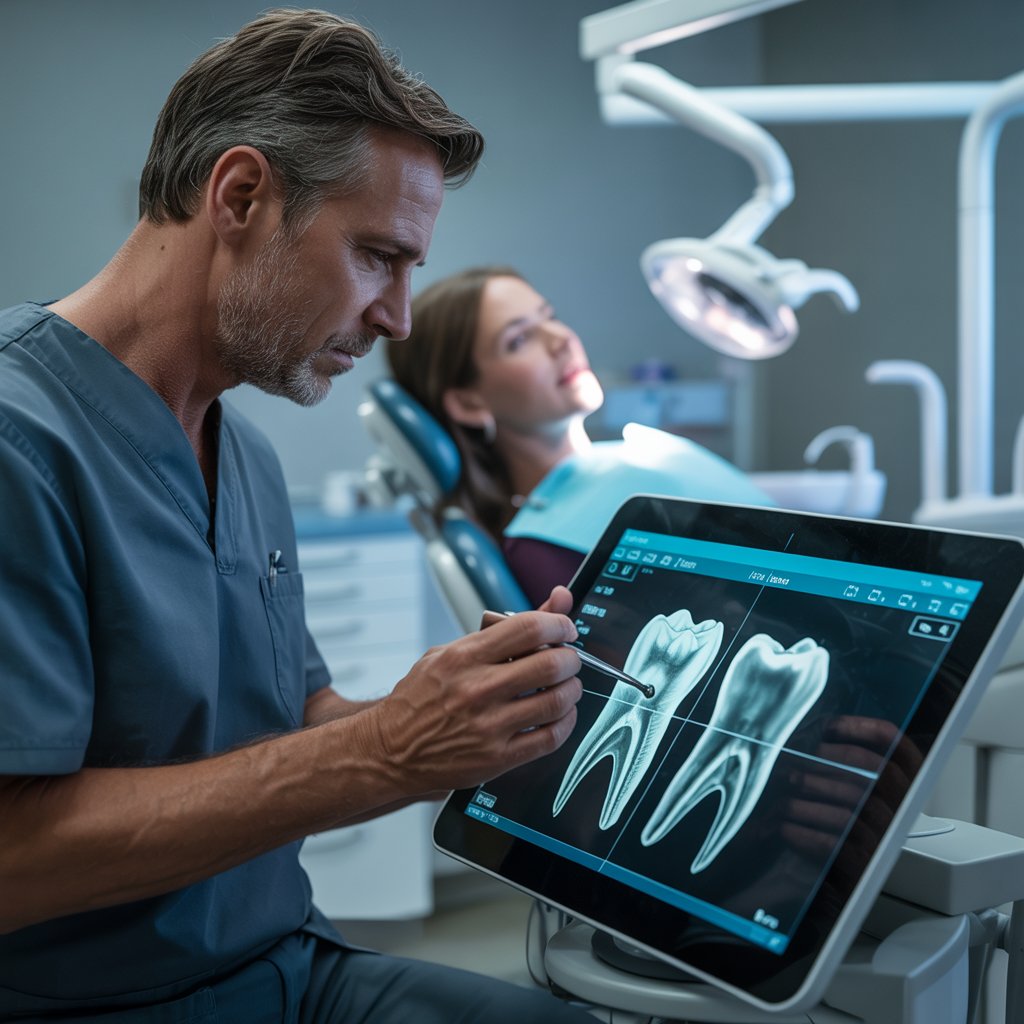
Dental emergencies have a way of stripping a decision down to its essentials. When someone chips a front tooth before work, wakes up with swelling along the jaw, or breaks a crown while eating dinner, they are not looking for marketing language. They want relief, sound judgment, and a dental team that can move quickly without making a stressful situation worse.
That is what separates an average office from a truly great emergency dentist in Plano, TX. It is not just extended hours, though those matter. It is not just modern technology, though that can help. The real difference is a mix of clinical skill, urgency, communication, and restraint. In emergency dentistry, good decisions often happen under pressure. A strong practice knows when to treat immediately, when to stabilize and monitor, and when a patient needs a specialist or even a hospital rather than a routine dental chair.
Plano is a growing city with busy families, professionals, students, and retirees, which means emergency dental needs vary widely. One patient may come in after a sports injury. Another may have a cracked molar under an old filling. A parent may call about a child with a knocked-out tooth on a Saturday afternoon. A great emergency dentist meets all of those moments with the same calm priority: address pain, protect health, and preserve as much tooth structure as possible.
Speed matters, but judgment matters more
People often assume emergency dentistry is mostly about being available. Availability is important, especially when the pain is severe or infection is involved, but speed alone does not define quality. Fast care without careful diagnosis can create a second problem on top of the first.
A great emergency dentist in Plano, TX usually has systems in place to triage calls properly. Not every dental problem needs the same timetable. A lost filling may be uncomfortable but manageable for a short window. Facial swelling with fever is different. A knocked-out permanent tooth is on a much tighter clock. Uncontrolled bleeding after an extraction calls for immediate advice and, in some cases, urgent in-person care.
That first phone conversation often tells you a lot about the office. A strong team asks useful questions. They want to know when the problem started, whether there is swelling, bleeding, trauma, fever, or trouble swallowing, and whether the tooth pain is sharp, throbbing, or triggered by temperature. They do not simply say, “Come in if you want.” They help sort out the level of urgency.
In practice, this kind of triage can save time and sometimes save teeth. A patient with a knocked-out adult tooth, for example, should be told to handle the tooth by the crown rather than the root, keep it moist in milk or saliva if possible, and come in immediately. A patient with spreading swelling may need to be seen urgently because dental infections can move beyond the tooth and into surrounding tissues. Great emergency care starts before anyone sits in the chair.
The best offices stay calm when the patient cannot
Dental pain changes people. Even very composed adults can become short, anxious, or tearful when they have not slept and half their face hurts. Children may be frightened before anyone examines them. People who have had bad past experiences can walk in already bracing themselves.
A skilled emergency dentist recognizes that pain and fear affect communication. They do not rush through explanations or make patients feel embarrassed for waiting too long. They know many people delay treatment because they hoped the pain would pass, could not get time off work, or worried about cost. Shaming a patient never improves care.
What you want is a dentist who can lower the emotional temperature of the room. That often looks simple from the outside. They explain what they see in plain language. They tell the patient what needs to happen now and what can wait. They distinguish between relief, stabilization, and definitive treatment. If a root canal is needed, they say so. If the goal today is to drain an abscess, get the patient comfortable, and schedule the next step once swelling comes down, they say that too.
That clarity matters. People can handle bad news better than uncertainty. The dentist who says, “Your tooth is cracked below the gumline, and I do not want to promise a filling will hold,” is doing a better job than the dentist who offers vague reassurance just to end the conversation.
Pain control is only one part of emergency treatment
When people search for an emergency dentist, they are usually in pain. Relief is urgent, but a great emergency dentist knows that pain itself is a symptom, not the final diagnosis.
A toothache might come from deep decay reaching the pulp. It might come from a cracked cusp. It might be referred pain from clenching or a sinus issue. Swelling near a tooth might indicate a localized abscess or something broader that needs more aggressive intervention. A broken tooth could be a simple enamel chip or a fracture that changes the entire prognosis.
This is where experience shows. A dentist who has managed a wide range of emergencies understands that the fastest visible fix is not always the right one. For instance, bonding a chipped tooth may seem straightforward, but if the trauma also loosened the tooth or injured the nerve, cosmetic repair alone misses the bigger issue. Prescribing antibiotics for dental pain without addressing the source may buy a little time, but it does not solve an infected root canal system or an unstable tooth.
The better practices are methodical even when the schedule is tight. They perform a targeted exam, take appropriate imaging, test the tooth when necessary, assess mobility, check the bite, and look at surrounding gums and vitalitydentaldfw.com Emergency dentist Plano, TX tissues. Then they build a plan around the actual problem instead of the loudest symptom.
Technology helps, but only if the dentist knows how to use it
Patients understandably notice technology during emergency visits. Digital X-rays, intraoral cameras, and cone beam imaging can all improve speed and accuracy. They can help identify fractures, infections, impacted teeth, or root issues with more precision than a basic visual exam alone.
Still, equipment is not a substitute for judgment. A beautiful scan means little if the dentist cannot interpret whether the pain source is endodontic, periodontal, restorative, or traumatic. Some of the best emergency care comes from combining clean imaging with a thoughtful clinical exam and a careful history.
A practical example: a patient arrives with a crown that fell off and significant sensitivity. The image may show decay under the old restoration, but the more important question is whether the remaining tooth is restorable and whether the nerve has been compromised. Recementing the crown may be reasonable as a temporary measure, or it may fail within days if the underlying tooth has fractured. A great dentist uses technology to support a sound decision, not to impress the patient.
Emergency care should feel decisive, not rushed
There is a difference between urgency and haste. In a strong emergency appointment, the office moves with purpose. Forms are streamlined. Staff know how to slot urgent cases into the day. Radiographs are taken promptly. The dentist explains options clearly. Yet nothing feels careless.
This balance matters because emergency visits often involve imperfect information. The tooth may be too sensitive for full testing. Swelling may distort the anatomy. A patient may be in too much pain to tolerate lengthy treatment. Good dentists know how to stabilize first and revisit details when conditions improve.
Sometimes the best immediate treatment is temporary by design. A sedative filling, smoothing a sharp fractured edge, draining an acute infection, adjusting a high bite, or prescribing appropriate medication after hands-on treatment can all be sensible short-term steps. That is not incomplete care. That is staged care, and in emergency dentistry, staged care is often the safest approach.
Patients should leave knowing exactly what happened and what comes next. If the visit was palliative rather than definitive, that should be explicit. Confusion after an emergency appointment usually points to weak communication, not necessarily weak clinical skill, but the effect on the patient is the same.
Availability has several layers
When people hear “emergency dentist,” they often think of nights and weekends. Those are part of the picture, especially for people with unpredictable work hours or school schedules, but availability is broader than after-hours access.
A great emergency dental office in Plano also makes room during the day for same-day concerns. Dental pain rarely arrives at a convenient time. If every acute visit is pushed out several days, the office may be excellent at routine hygiene and still fall short in true emergency care.
There is also the question of responsiveness. Does someone answer the phone promptly? Is there guidance if the office is closed? Can an established patient reach an on-call dentist when symptoms escalate? A practice does not need to be open 24 hours to provide strong emergency coverage, but it should have a reliable process when urgent problems arise.
For families, this can be the difference between manageable stress and chaos. A parent whose teenager breaks a tooth at soccer practice needs clear next steps. So does the traveler staying in Plano for work who suddenly develops severe molar pain before a flight. Great offices understand that logistics are part of care.
Experience with the full range of emergencies
Not every dentist enjoys emergency cases, and that is fine. But the ones who do tend to build a different kind of competence over time. They become very good at pattern recognition. They know which cracked teeth can often be saved and which usually cannot. They know when severe gum pain is really an abscessed tooth, when a dislodged implant needs quick evaluation, and when jaw pain after trauma may require imaging beyond a routine dental series.
Here are some situations a strong emergency dentist should be comfortable evaluating promptly:
- severe toothache that keeps a patient awake
- swelling of the gums, face, or jaw
- broken, cracked, or knocked-out teeth
- lost crowns, bridges, fillings, or veneers causing pain
- bleeding, trauma, or post-procedure complications
Competence does not mean pretending to do everything alone. One of the signs of a better emergency dentist is knowing when to refer. If a complex root canal should go to an endodontist, or a facial fracture needs oral surgery evaluation, saying so early protects the patient. Patients are better served by a dentist who recognizes the boundaries of a case than one who overpromises.
Good emergency dentists talk honestly about cost
Money becomes part of emergency care whether anyone likes it or not. Dental emergencies are stressful enough without surprise fees layered on top. One of the strongest marks of a well-run office is transparency.
That does not mean every fee can be quoted with precision on the phone before an exam. It usually cannot. The office may not know whether a patient needs an exam and X-rays only, a pulpotomy, an extraction, a root canal start, or temporary recementation until the tooth is evaluated. What a good team can do is explain the likely categories of cost, whether they accept insurance, whether financing is available, and what the patient should expect if definitive treatment cannot be completed in one visit.
Patients appreciate candor. A dentist who says, “Today’s visit is focused on diagnosis and getting you stable. After we see the tooth, we can tell you whether the next step is a filling, root canal, crown, or extraction,” is speaking responsibly. That kind of communication builds trust quickly.
Cleanliness, organization, and staff training show up fast
During emergencies, patients notice more than they might in a routine cleaning. They notice whether the front desk seems confused, whether instruments arrive on time, whether assistants are prepared, and whether the room feels calm or chaotic.
A well-trained staff can transform the experience. Dental assistants who understand emergency flow can shorten wait times, gather the right information, prepare materials, and help anxious patients settle. Front desk staff who know the difference between urgent swelling and routine discomfort can schedule more intelligently. These details are not glamorous, but they are often what patients remember.
In a strong office, the systems are visible without being obvious. Consent forms are clear. The dentist enters the room informed. Follow-up instructions are specific. Prescriptions, if needed, are handled promptly. The patient is not left guessing what to do if symptoms worsen that night.
Local knowledge matters more than many people realize
There is something to be said for a practice that knows the Plano community well. Local experience can make care smoother in practical ways. A dentist familiar with nearby specialists can refer efficiently when a case needs endodontics, oral surgery, pediatric expertise, or periodontal treatment. They may know which pharmacies stay open later, which imaging centers are easiest to work with, and how to coordinate urgent follow-up without days of delay.
That matters because emergency care rarely ends with the first appointment. A patient may need a crown after fracture stabilization, a follow-up extraction, or evaluation of a healing site. Continuity is easier when the office works within a local professional network rather than treating the emergency as an isolated transaction.
For patients specifically searching for an emergency dentist in Plano, TX, local familiarity can also mean more practical scheduling. Offices that serve nearby neighborhoods often understand traffic patterns, school schedules, and same-day demand better than a clinic trying to cover a much larger region with a one-size-fits-all system.
Red flags patients should notice
Sometimes the best way to understand quality is to recognize what it is not. Certain warning signs tend to predict a poor emergency experience.
- no meaningful phone triage for pain, trauma, or swelling
- pressure to commit to major treatment before the problem is clearly explained
- vague answers about what the visit includes and what the next step will be
- dismissal of swelling, fever, or difficulty swallowing as routine
- poor follow-up instructions after temporary treatment
A single rough interaction does not always mean the clinical care is weak. Offices get busy, phones ring nonstop, and some days run behind. But if the pattern is disorganization, vagueness, or minimization of serious symptoms, patients should trust that instinct.
The best emergency visits include practical home guidance
Even excellent same-day care is only part of the picture. What patients do between the call and the appointment can affect comfort and outcome. Great offices do not leave that period to chance. They provide simple, usable instructions.
For example, a patient with a broken tooth may be told to avoid chewing on that side and cover sharp edges with dental wax if available. Someone who lost a crown may be advised not to use household glue. A parent calling about a knocked-out permanent tooth should get immediate handling instructions. A person with swelling may be told what symptoms require urgent medical escalation.
Useful pre-visit guidance often includes the following:
- bring the broken tooth piece, crown, or appliance if you can find it
- use a cold compress outside the face for swelling after trauma
- avoid aspirin directly on gums, it can irritate tissue
- stick to soft foods and avoid chewing on the painful side
- seek emergency medical care for trouble breathing, trouble swallowing, or rapid swelling
This kind of advice is not dramatic, but it can prevent small mistakes that complicate treatment.
Why bedside manner matters more in emergencies than in routine care
Routine dentistry gives patients time to warm up. Emergency dentistry does not. Trust has to be established quickly, often in the first few minutes. That is why bedside manner carries unusual weight in urgent care.
A dentist can be technically capable and still leave a patient feeling dismissed if they interrupt, explain too little, or move too quickly through consent. The best emergency dentists are efficient without becoming mechanical. They read the room. They know when a patient needs a brisk plan and when they need thirty extra seconds to ask, “Do you want me to walk you through what I’m seeing?”
This is especially important for patients with dental anxiety. A rushed emergency visit can reinforce years of fear. A careful one can reset the entire relationship to dental care. I have seen people put off treatment for years, then finally get help during an emergency because one office handled a painful situation with competence and respect. They came in for the crisis, but they stayed with the practice because they felt safe.
Great emergency dentistry protects the future, not just the day
The strongest emergency dentists think beyond immediate pain. They are trying to preserve options. Save the tooth if it can be saved. Stabilize the bite. Minimize infection spread. Avoid unnecessary treatment. Set up a clean handoff to definitive care.
That long view is what patients are really looking for, even if they do not phrase it that way in the moment. They want someone who can tell the difference between what is urgent and what is merely uncomfortable. They want honest answers about whether a tooth is salvageable. They want treatment that relieves pain today without creating avoidable problems next month.
For anyone searching for an emergency dentist in Plano, TX, the best choice is usually not the office with the loudest promise. It is the one that combines access with judgment, speed with clarity, and technical skill with calm communication. When a dental emergency hits, those qualities matter far more than slogans. They are what turn a stressful event into a manageable one, and sometimes they are what make the difference between losing a tooth and keeping it.
Vitality Dental
1220 Coit Rd # 106, Plano, TX 75075, United States
+1 972-645-4100
FAQ About Emergency dentist Plano, TX
Will the ER do anything for dental pain?
An emergency department can assess urgent symptoms and provide medical stabilization. Definitive treatment of the tooth usually requires a dentist. Seek emergency medical care for breathing or swallowing difficulty, uncontrolled bleeding, or serious facial injury.
What to do if I have a dental emergency in the middle of the night?
Contact a dentist or after-hours dental service promptly for guidance. If a permanent tooth is knocked out, keep it moist in milk while seeking immediate care. If symptoms suggest a medical emergency, go to an emergency department.
What qualifies as a dental emergency?
A knocked-out permanent tooth, severe or persistent tooth pain, a significant dental injury, or swelling may require urgent dental assessment. Call a dentist to describe the symptoms and determine timing. Uncontrolled bleeding or difficulty breathing or swallowing requires emergency medical care.